Passive Fire Protection (PFP) is the silent safeguard designed to meet that challenge. Instead of relying on activation, it is built into the fabric of a structure—compartment walls, fire-stopped penetrations, cavity barriers and deployable fire curtains work together to hold fire and smoke where they start, preserving escape routes and buying crucial time for firefighters.
Alpha Fire Protection delivers complete PFP solutions across Liverpool and the North West. Our IFC-accredited team surveys every penetration and void, designs compliant details to BS EN 1366 and BS 9999, and installs third-party-certified systems with full digital QA records. From hospitals and student accommodation to heritage refurbishments, we coordinate with your designers and Building Control to integrate protection without compromising programme or aesthetics.
Why firestopping?
Lets take a look at the statistics.
Thanks to robust compartmentation only 6 % of fires in high-rise flats spread beyond the room of origin
Smoke inhalation causes up to 75 % of fire deaths, so well-sealed penetrations directly cut the main cause of fatalities
Investigations found fire-stopping or cavity-barrier defects in 37 % of inspected new-build homes, exposing thousands to intolerable risk
Passive Fire Protection Overview
With broad, multi-sector experience, we specialise in delivering inspections in occupied buildings, providing our clients with all the information needed to make informed decisions on how to maintain passive fire safety in their buildings.
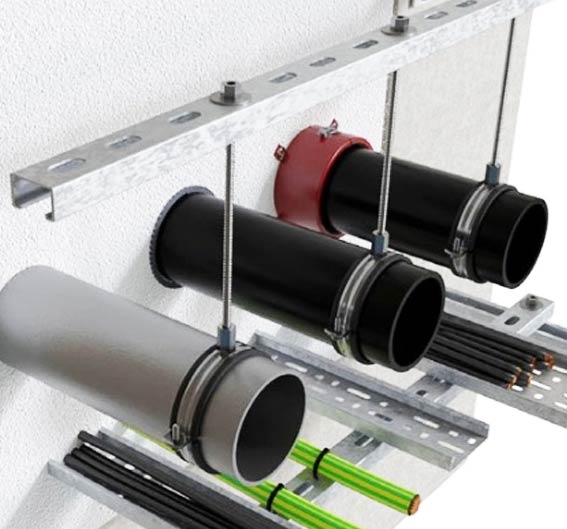
Sealing every service penetration, joint and gap in walls or floors ensures the compartment’s rating survives when pipes, cables or ducts breach it, preventing flames or toxic smoke finding unchecked shortcuts.
Key Components:
Multi-material seals: intumescent, silicone or mortar options match each service type and maintain tested ratings
Certified systems: ETA / UL-listed assemblies guarantee up to four-hour integrity and insulation performance
Easy inspection: colour-coded labels and traceable records simplify future maintenance and compliance audits
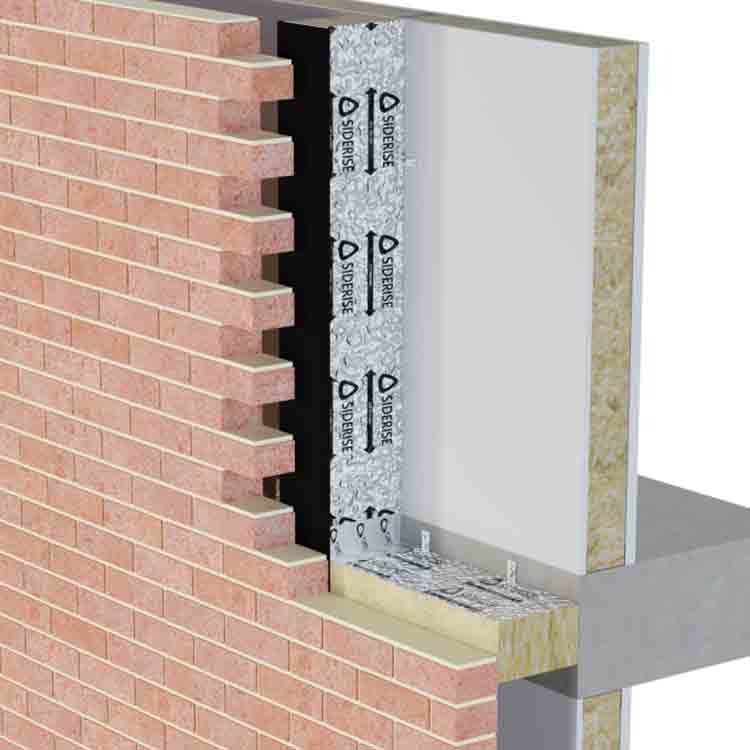
Cavity barriers close hidden voids behind cladding, masonry or timber frames, stopping chimney-like airflow that can feed and spread fire vertically and horizontally long before flames appear externally.
Inspection Checklist:
Intumescent or mineral-wool strips: expand or block flames, smoke and heat migration within cavities
Third-party certification: to EN 1366-4 delivers 30- to 120-minute resistance you can prove
Moisture-resistant casings: protect performance in external façades throughout the building life-cycle
Lightweight design: adds negligible load, simplifying retrofits and high-rise applications
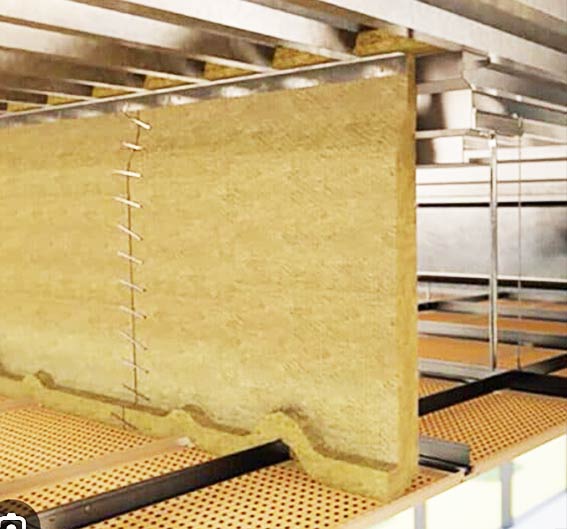
Fixed fire curtains form a passive, always-ready fire barrier across walls, ceilings, or openings. They maintain fire compartmentation in areas where conventional partitions or doors are impractical, offering design flexibility with reliable, certified protection.
Inspection Checklist:
High-Performance Fabric Systems: Woven glass or stainless-steel reinforced materials withstand temperatures exceeding 1,000°C for extended periods
Fully Tested Assemblies: Certified to BS EN 1634-1 / BS 8524-1 standards for proven integrity, radiation, and insulation ratings
Discreet Integration: Slimline designs fit behind finishes or façade systems without affecting building aesthetics
Low Maintenance: No moving parts or activation mechanisms reduce lifetime servicing costs and ensure consistent passive protection
With broad, multi-sector experience, we specialise in delivering inspections in occupied buildings, providing our clients with all the information needed to make informed decisions on how to maintain passive fire safety in their buildings.